From Tokyo Newsstands to Your Instagram Feed: America's Quiet Obsession With Pin-Up Idols
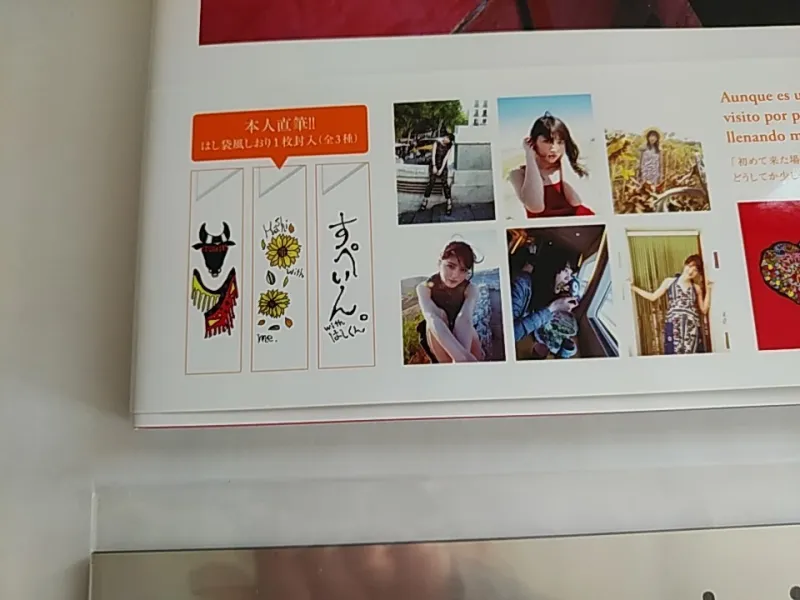
Photo: japanese idol photobook collection magazines, via i.ebayimg.com
There's a moment every longtime fan remembers: the first time they held a Japanese photobook they'd waited six weeks for. The glossy cover, the plastic wrap, that faint smell of fresh ink from a Tokyo print run. For a generation of American fans in the early 2000s, that was the closest you could get to gravure culture without a passport.
Fast forward to today, and the same fandom lives in your pocket. A gravure idol can post a behind-the-scenes clip, gain 40,000 American followers by the weekend, and sell out a stateside photobook preorder before her own agency finishes updating its website. It's a wild transformation, and it happened one algorithm at a time.
The Import Magazine Era: When Fandom Required Patience
If you wanted Japanese pin-up media in the US around 2003, you went through Kinokuniya, a mall import shop, or a friend of a friend who ran a fansub group. Magazines like Young Jump and Friday trickled in months late, and photobooks cost a small fortune once shipping was factored in.
The fandom that grew around this scarcity was small but intense. Collectors traded scans on forums, translated idol profiles by hand, and treated each arriving photobook like contraband treasure. There was no direct line between idol and fan — just intermediaries, delays, and a lot of guesswork.
The Platform Shift That Changed Everything
Then came Instagram, and later TikTok, and the entire distance collapsed.
Today's idols run their own accounts, reply to comments from Ohio and Texas, and understand — sometimes better than their agencies do — that the American audience is real money. Convention appearances at events like Anime Expo and Otakon now regularly feature gravure and pin-up talent, with photo sessions selling out in hours.
What's changed most is the tone. The old import era was about worshipping from afar. The new era is conversational. Fans talk back. Idols acknowledge the international audience directly. Some have learned enough English to do it themselves; others rely on fan translators who've become minor celebrities in their own right.
What US Fans Actually Say
Talk to American collectors and a pattern emerges: they came for the aesthetic and stayed for the personality.
"I got into it through a random TikTok of a countdown event," one Los Angeles-based collector told us. "What hooked me wasn't just the photoshoots. It's that these idols work incredibly hard and are genuinely funny on camera. You become a fan of the person, not the pin-up."
Others describe gravure fandom as a refreshing counterweight to American celebrity culture — less tabloid chaos, more consistent hustle. The monthly photobook cycle, the handshake-style events, the gradual career arcs from idol to actress to variety show regular: it's a narrative structure American pop culture doesn't really offer, and fans find it genuinely compelling.
The Collecting Side of the Pipeline
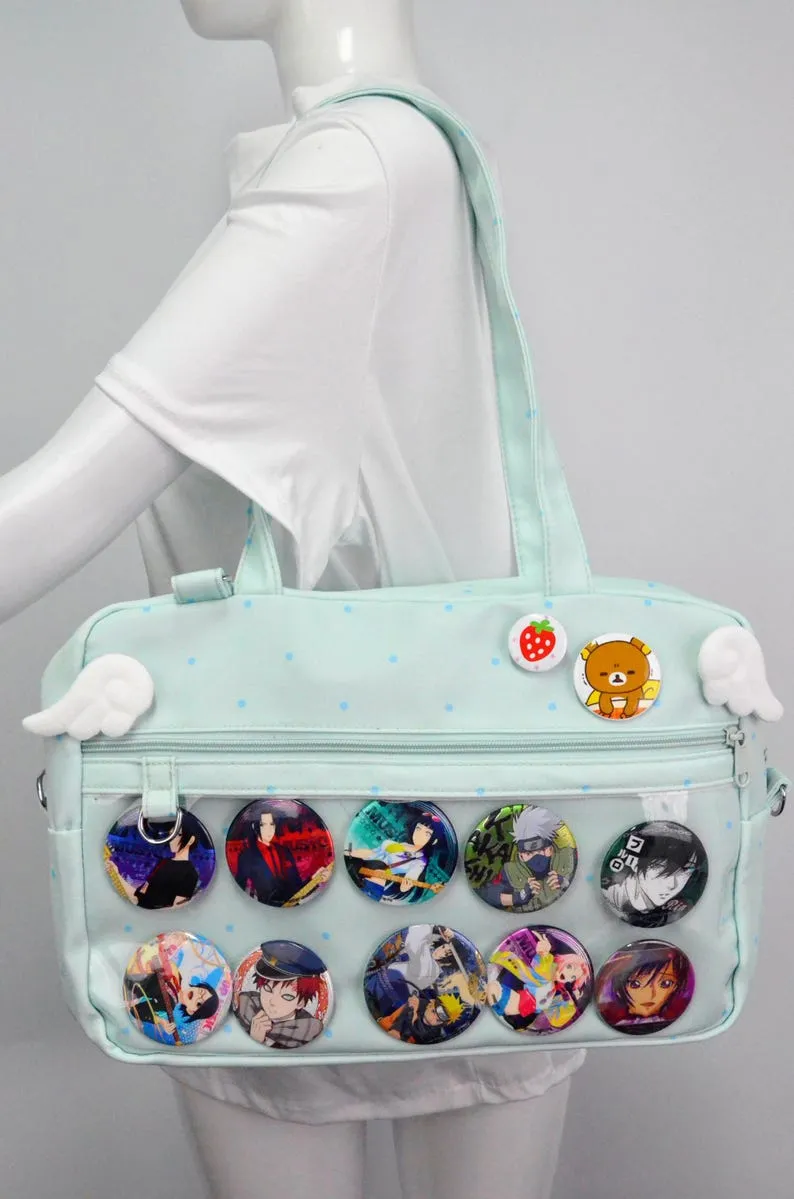
Of course, fandom in 2025 comes with merch, and pin-up idol merch is its own economy. Photobooks remain the centerpiece — limited editions with bonus photo cards that resell for triple their cover price. Add Blu-ray releases, calendars, acrylic stands, and the occasional collaboration figure, and you've got a shelf's worth of material.
US retailers have noticed. Specialty shops and even some mainstream booksellers now stock translated idol photobooks and English-friendly editions, a thing that simply didn't exist fifteen years ago.
Where It Goes From Here
The gravure-to-global pipeline is no longer a pipeline at all — it's just how fandom works. Idols plan for international audiences from day one. US conventions budget for Japanese talent. And the fans who once traded blurry forum scans are now buying official digital releases the same day they drop in Japan.
For a culture that once required patience, luck, and a very good import shop, that's not just growth. That's a whole new world — and American fans are clearly here for it.