How Japan's Cutest Export Took Over American Shelves, Screens, and Shopping Carts
Photo: Philafrenzy, CC BY-SA 4.0, via Wikimedia Commons
Walk into any Target in America right now and you'll find it: a wall of blind-box figures, a Hello Kitty collab, maybe a Sanrio plush wedged between the cereal and the socks. For anyone who grew up hunting down imports at a single crowded mall kiosk, this is nothing short of wild. Kawaii culture — the whole soft, pastel, overwhelmingly cute aesthetic ecosystem from Japan — didn't just arrive in the US. It conquered it. And the story of how it happened says a lot about how fandom itself has changed.
From Convention Basements to Prime Time
The American otaku scene of the early 2000s was a scrappy thing. Anime conventions like Otakon and Anime Expo were gathering points for a devoted minority, and getting your hands on Japanese goods meant mail-order catalogs, fan subtitled tapes, and a lot of patience. If you wanted a figure of your favorite character, you were paying import markup and hoping the box survived the Pacific crossing.
The shift happened gradually, then all at once. Streaming legitimized anime distribution in the 2010s — suddenly you didn't need to know a guy who knew a guy. Netflix and Crunchyroll put shows like Demon Slayer and Jujutsu Kaisen in front of audiences who'd never set foot in a comic shop. And once the shows went mainstream, the merchandise followed.
The Blind Box Effect
If one retail phenomenon explains the kawaii takeover, it's the blind box. The concept is brilliantly simple: you buy a sealed box, and you don't know which figure from the series is inside. It's a mystery, a collectible, and a slot machine rolled into one adorable package.
Japanese companies perfected this format decades ago with capsule toys and trading figures, but it took American retail a while to catch on. When it did — driven by brands like Sonny Angel, Pop Mart's global expansion, and the explosion of designer toy culture — the results were staggering. Blind boxes turned collecting into content. The unboxing, the pull, the trade with a friend: every step is shareable.
And share it people did. TikTok and Instagram became the engine of the whole ecosystem. A figure that once would've been marketed in a niche magazine now gets discovered by a 16-year-old in Ohio through a 30-second unboxing video, then sells out nationally within days.
What 'JP Angels' Means to a New Generation
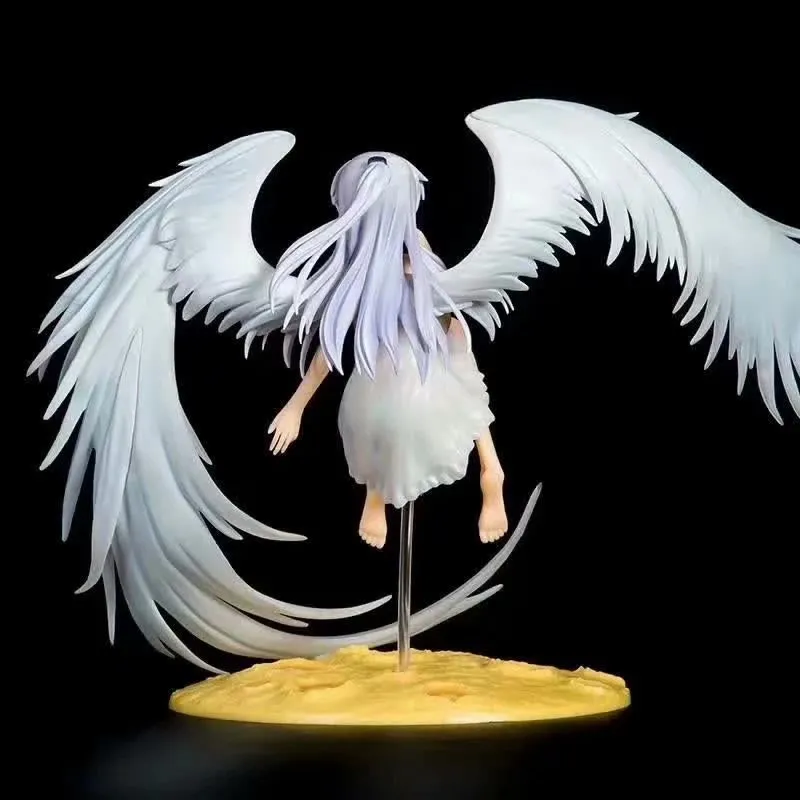
Here's where the culture deepens. For a new generation of American fans, kawaii isn't just about buying things — it's an identity and a language. The term we love around here, "JP angels," captures it well: those ethereal figures, idols, and characters that represent the pinnacle of Japanese cuteness craftsmanship. To older fans it might mean a specific gravure idol or a winged figure on a shelf. To younger fans it's broader — an aesthetic that spans idol groups like those filling arenas on US tours, VTubers pulling hundreds of thousands of concurrent viewers, and the pastel-soaked visual language of modern anime.
The idol industry's US expansion is a huge part of this. What was once a strictly domestic Japanese phenomenon — handshake events, penlight concerts, fan clubs — now tours American cities regularly. Convention main stages that once hosted cover bands now host actual Japanese idol groups, and the crowds sing along in Japanese.
Mainstream Shelf Space, Mainstream Money
The retail evidence is everywhere. Hot Topic and BoxLunch built entire business models on anime and kawaii merchandise. GameStop dedicates prime floor space to figures. Even luxury and fashion have gotten involved — streetwear collabs with anime IPs are now a seasonal expectation rather than a novelty.
What changed isn't just availability, though. It's the absence of shame. Being an otaku in 2003 America meant hiding your interests. In 2025, wearing your favorite character on a hoodie to school is just... wearing a hoodie. The stigma that once surrounded the fandom has dissolved into something approaching normalcy — and honestly, something approaching cool.
Where It Goes Next
If the trajectory holds, the line between "Japanese culture" and "American youth culture" is only going to blur further. Anime films top the US box office. Japanese snacks are in mainstream grocery stores. The next generation of collectors won't remember a time when getting a figure from Tokyo was hard — it'll just be a click, two-day shipping, and a spot saved on the shelf.
For those of us who've been here since the kiosk days, that's not a loss. That's a victory lap. The kawaii invasion didn't happen to us — it happened because of us, one convention, one blind box, one angel-winged figure at a time. And honestly? We've never looked cuter doing it.