Penlights and Panel Lines: A First-Timer's Field Guide to Idol Fandom, No Gatekeeping Allowed
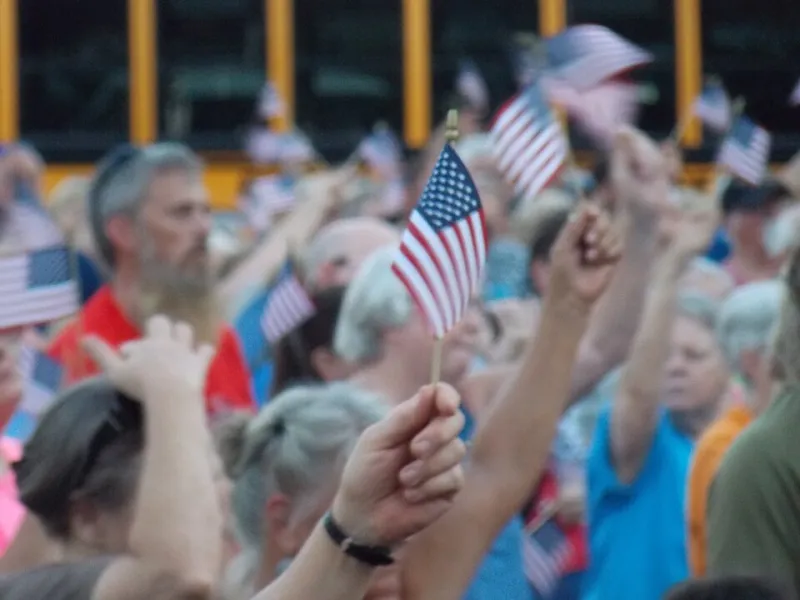
Photo: NPS Photo, Public domain, via Wikimedia Commons
The first time I watched a crowd of grown adults in matching neon jackets perform synchronized arm movements to a pop song about friendship, I had a moment of panic. Is this a cult? Am I allowed to clap? Do I need the jacket?
Two years and one very expensive penlight collection later, I can tell you the answer to all three questions: no, yes, and absolutely not.
Here's the thing nobody tells you about Japanese idol fandom — if you've ever been to a Comic Con, a college football tailgate, or honestly any sorority big-little reveal week, you already speak the language. You just don't know the vocabulary yet. So let's fix that, newcomer to newcomer, zero gatekeeping.
The Penlight Is Just a Light Stick With Better PR
American concerts have glow sticks. Idol shows have penlights — battery-powered wands, often in your favorite member's official color, that you wave in choreographed patterns during songs. The practice even has a name: wotagei, or "otaku dance."
Sound bizarre? Consider the last NFL game you attended. Thousands of people doing the wave, wearing identical jerseys, screaming on cue because the scoreboard told them to. We already love synchronized crowd behavior in America — we just do it in team colors instead of member colors. A penlight dance is the wave with better choreography and significantly more glitter.
The unwritten rule is simple: match your light to your favorite member's color, learn the basic calls (they're usually printed in fan guides or taught by the person next to you), and don't whack anyone. That's it. That's the whole initiation.
Handshake Events Are Just Meet-and-Greets Without the $150 Autograph Fee
The idol world's signature event is the handshake event — fans buy CDs (yes, physical CDs, often multiple copies) and each copy comes with a ticket for a few seconds of face time with a member. You walk up, you shake hands, you say your fifteen seconds of rehearsed gratitude, security ushers you along.
Now compare that to the American convention experience: you pay for a photo op with a celebrity, stand on a taped X, get one rushed photo, and get gently herded out by a staff member with a lanyard and dead eyes. The handshake event is the same transaction. The idol version is arguably more generous — you get actual conversation time, not just a smile-and-click.
The multi-copy buying? Think of it as the Japanese equivalent of buying the same album on vinyl, CD, and the deluxe streaming box set because the cover art slaps. We've been doing variant-collecting forever. Idol fans just skip the pretense.
Birthday Billboards Are the Fandom Version of a Sorority Craft Night
One of the most charming idol traditions is the birthday project. When a member's birthday approaches, fans pool money for ads — a billboard in Shibuya, a wrapped bus, a full-page spread in a national newspaper. Fans hand-make decorations, plan viewing parties, and document every detail online.
If that reads as extreme, I invite you to look at American Greek life. Sorority pledge classes spend entire semesters crafting painted coolers, themed banners, and matching shirts for events that last one weekend. Tailgate crews build literal two-story structures around a parking spot. Sports fans crowdfund billboards begging a coach to be fired. We are a billboard-happy people. Idol birthday projects are just... nice ones.
The Call-and-Chant Culture Is Tailgate Chants With Katakana
Idol songs come with mix and call guides — specific phrases fans shout at set moments ("Hi! Hi! Hu! Ha!" and member names in rhythm). It looks intimidatingly intricate from the outside, like everyone got a secret sheet music.
But you've done this. "De-fense!" clap clap clap clap clap. "Let's go [team]!" Every stadium in America runs on call-and-response. Idol calls are the same muscle memory with a different vocabulary, and nobody at your first show will blink if you just clap along. Most fans find the chants more fun to learn than the dance anyway.
The Merch Table Will Make Your Convention Haul Look Modest
Idol fandom runs on cheki (instant polaroid-style photos), member badges, acrylic stands, and photo cards — a merch economy so deep that fans carry dedicated binders called ita-bags and poku-bags to display it all.
If you've ever seen a Comic Con attendee with a backpack covered in pins or a lanyard worth more than their phone, you get it. The ita-bag is just the American pin jacket's cousin who studied abroad.
So How Do You Actually Start?
- Pick a group, not a member. Watch a few music videos, find a sound you like. Members come and go; the vibe is what hooks you.
- Watch one full concert video on YouTube. Fan-shot or official. You'll understand the penlight thing in about ten minutes.
- Buy one item of merch. A penlight, a badge, whatever. Participation is the point.
- Ignore the gatekeepers. Every fandom has people who think you need ten years of history to belong. You don't. Nobody at the show will ask for your fan résumé.
Idol fandom isn't a secret society — it's a pep rally that never ends, run by people who take joy very seriously. Americans built entire cities around tailgates and turned convention centers into pilgrimage sites. We're not so different. We just wave different lights.