Blind Boxes, Ugly-Cute Aliens, and the Great Plush Flood: 7 Collectible Waves Hitting American Shelves in 2026
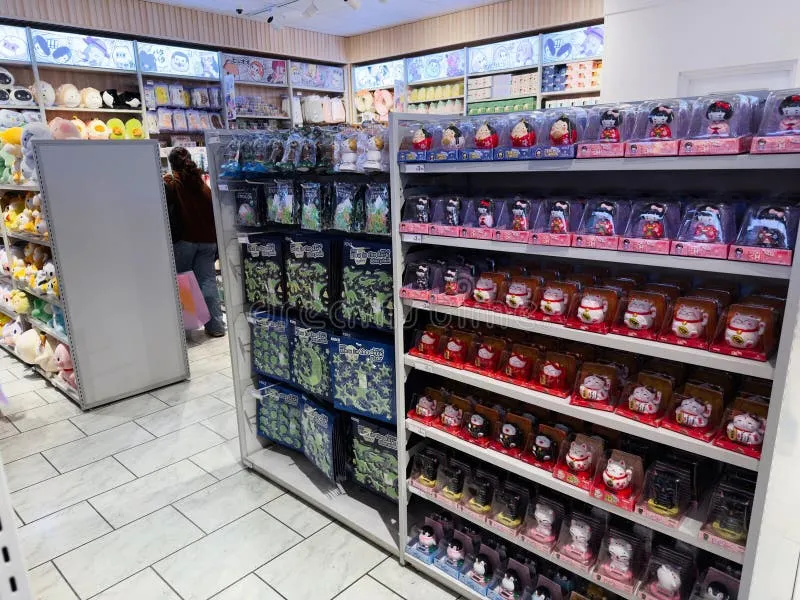
Photo: colorful kawaii collectible figures and plush toys on store shelf display, via thumbs.dreamstime.com
Every kawaii trend follows the same route: it debuts in Akihabara, incubates on Japanese Twitter for a year, gets picked up by TikTok resellers, and finally lands on a Target endcap somewhere in Ohio looking like it was always there. Sonny Angels made that journey. So did Sanrio's second act. If you want to know what your local big-box store will look like in 2026, you don't check US retail — you check what Japanese collectors are fighting over right now.
We did exactly that. Here are the seven waves rolling toward American shores, plus the buying strategy that'll save you both money and sanity.
1. Blind Box Fatigue Meets the 'Guaranteed Figure' Backlash
The blind box isn't dying, but the honeymoon is over. After years of dupes, chase-figure heartbreak, and reseller boxes, Japanese manufacturers are pivoting to open-box premium releases — single figures sold at full visibility, higher price, higher quality. Think of it as the vinyl revival of figure collecting. Watch for US retailers testing "you know exactly what you're getting" displays in 2026, because the tanoshi (surprise) factor is wearing thin even among die-hards.
2. Capsule-Only Drops: The Gachapon Exclusives Won't Export
Here's the trend that will hurt: Japan's best small collectibles are increasingly gachapon-exclusive — capsule machines only, no retail run, no export line. Bandai's capsule divisions keep winning with 500-yen figures that never appear in stores, and that model is expanding. US fans will see these on social media, want them desperately, and find exactly one path: proxy services and forwarding companies. More on that below.
3. Plush Mania Enters Its Absurd Phase
The plush boom isn't slowing — it's escalating in size and strangeness. After the giant-plush era (those life-sized character cushions that required their own shipping quotes), 2026 belongs to weird-format plush: flat, tsum-style cushions in bizarre proportions, plush keychains the size of your head, and character-accurate food plushes that look good enough to grill. Japan's prize-machine culture drives this; claw game exclusives mean the rarest plushes never hit general retail at all.
4. 'Ugly Cute' Is the New Beautiful
Meet the kimo-kawaii wave — characters engineered to be deliberately unsettling. Bucktoothed creatures, melted-looking blobs, things with too many teeth and zero explanation. Japan has long embraced ugly-cute (hello, everything San-X ever made), but 2026's generation leans harder into grotesque. American buyers raised on labubu-adjacent chaos are primed for it. If a character makes you say "why?" and then buy it anyway, that's the trend working as designed.
5. Scale Figures Go Mid-Price
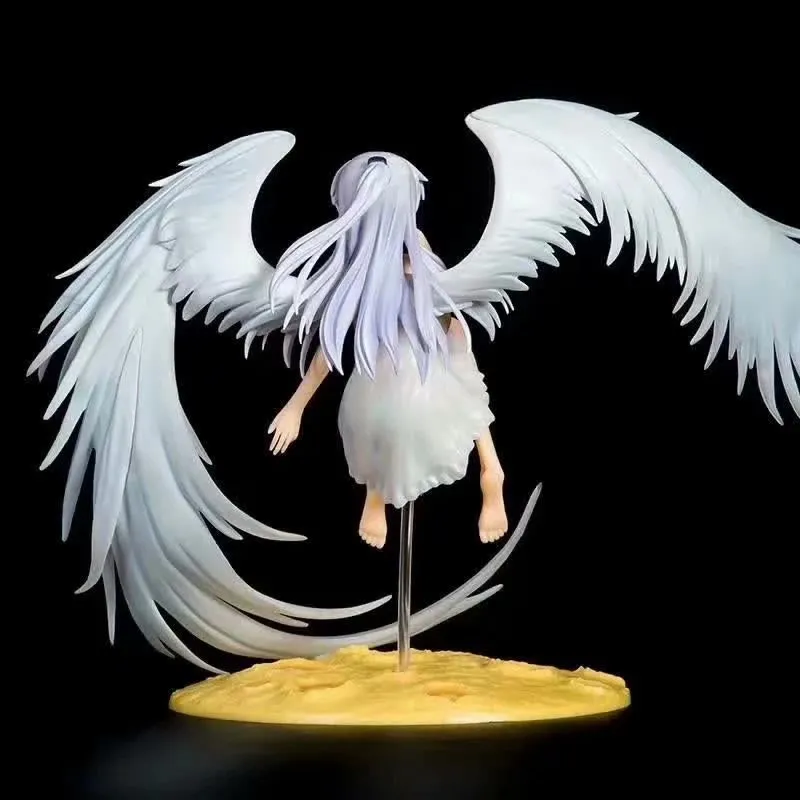
The anime figure market is splitting. The ultra-premium 1/4 scale statues keep climbing past $400, but the real 2026 story is the mid-tier scale figure — better sculpting at the $60-90 range, driven by improved manufacturing and competition from Chinese studios. For US collectors, this means your favorite seasonal anime heroine no longer requires a payment plan.
6. Nostalgia Lines: 2000s Icons Get the Premium Treatment
Everything retro is being reissued at collector grade. Early-2000s character properties, vintage game-adjacent mascots, and long-dormant franchises are getting modern figure treatments — the same pipeline that revived retro gaming hardware. Expect announcements at Wonder Festival to hit US pre-order sites within weeks. The 2000s kid in your life (you) is the target demographic.
7. The Endcap-ification of Kawaii
Finally, the retail trend itself: American stores are formalizing the kawaii aisle. Dedicated collectible endcaps, seasonal capsule-style impulse sections, and store-exclusive US colorways are becoming standard. Store exclusives will be the new chase figures — the thing you can't get from Japan at all, flipping the usual scarcity dynamic.
The Pre-Order Playbook: Beat the Scalpers
Scalpers monitor Japanese pre-orders the way day traders monitor earnings calls. Your counter-strategy:
- Pre-order the day it opens. Japanese pre-orders for popular figures regularly sell out in hours. Follow manufacturers (Good Smile, Kotobukiya, Bandai) and retailers (AmiAmi, Hobby Link Japan, Tokyo Otaku Mode) on social media for drop alerts.
- Use proxy services for gachapon and prize exclusives. Services like Buyee, ZenMarket, or White Rabbit Express let you order from Japanese sites that don't ship stateside. Budget for proxy fees plus shipping — usually 15-25% on top.
- Understand the deposit system. Most Japanese figure pre-orders take a partial deposit now, balance later. Don't treat pre-order money as spendable money.
- Watch release dates, not announcement dates. Figures are announced 6-12 months before shipping. Set a calendar reminder for the actual release window, because that's when re-stocks (rare) and cancellations (your opportunity) happen.
- Buy the standard edition first. Limited editions appreciate, but standard releases usually stay available — and often get cheaper re-releases two years later.
The bottom line for 2026: the gap between Tokyo shelf and Ohio endcap keeps shrinking, but the good stuff — capsule exclusives, prize plush, limited scales — still requires planning. Set your alerts, budget your deposits, and maybe clear a shelf now. You're going to need it.