The A Prize Problem: How Ichiban Kuji Turned American Collectors Into Strategic Gamblers
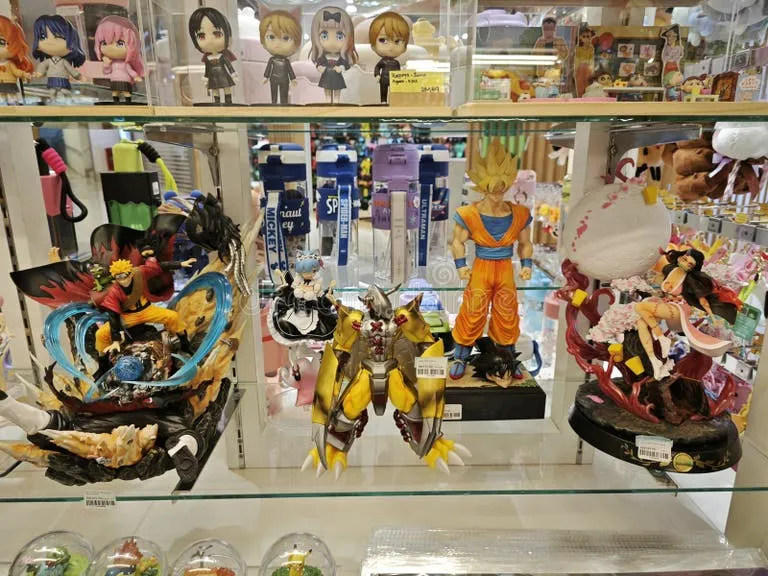
Photo: anime figure lottery prize display store shelf collectibles, via thumbs.dreamstime.com
There's a moment every Ichiban Kuji player knows. You hand over your money, the shop clerk slides a card across the counter, and you scratch it open like you're checking a scratch-off ticket at a gas station in Ohio. Did you get the A Prize — the figure everyone actually wants? Or did you get a hand towel and a clear file?
Welcome to the lottery economy, now officially making its way to the United States.
First, What Even Is Ichiban Kuji?
For the uninitiated: Ichiban Kuji is a Japanese prize lottery run by Bandai Spirits. Instead of selling you a specific product, you buy a chance at one. Every ticket draws from a fixed prize pool with lettered tiers — usually A through E or F — where the A Prize is the crown jewel (typically a premium-scale figure), B Prize is a slightly smaller figure, and the lower tiers are smaller goods: acrylic stands, mugs, towels, stickers.
The twist that keeps fans hooked is the Last One Prize. Whoever purchases the final ticket in a set wins a bonus item, often a variant figure with alternate coloring or an extra accessory. It's the retail equivalent of a buzzer-beater, and it's why some collectors will deliberately wait until a set is nearly sold out to buy in bulk.
The Math Nobody Tells You About
Here's where your inner accountant needs to show up. A typical Kuji set contains around 80 tickets at roughly 850 yen (or the US equivalent, often $10–12 per play) each. That means:
- 1 A Prize per full box
- 2–3 B Prizes
- A smattering of C and D tier figures
- A long tail of small goods
If the A Prize figure resells for $150+ on the secondary market, buying out an entire box for ~$900 to guarantee it sounds insane. And it usually is — unless you factor in that everything else in the box has resale value too, or you genuinely want the full spread of goods for your ita-bag and desk setup.
For most US collectors, the smarter play is the middle path: buy 3–5 tickets when a set drops, accept that the towel is your floor, and treat any figure pull as a win. The lottery is entertainment pricing, not an investment strategy.
Why It's Hitting America Now
Official US distribution of Ichiban Kuji has been rolling out through anime conventions, specialty retailers, and online drops over the past couple of years. Part of this is the broader mainstreaming of anime merchandising — the same wave that put figure displays in Hot Topic and made Crunchyroll merch a mall staple. Part of it is that the lottery format sells itself once people experience it. Blind boxes taught American shoppers to love the gamble; Kuji just adds tiers and a leaderboard.
There's also a community element. In Japan, Kuji draws are a social ritual — groups of friends buy in together and split the haul. US shops are catching on, hosting in-store draw events where the crowd reacts in real time when someone pulls an A Prize. It's the closest thing figure collecting has to a watch party.
Kuji vs. Blind Boxes: Which One Respects Your Wallet?
Blind boxes hide what you get but guarantee you get something of consistent value. Kuji is more honest and more brutal: you might pull the best item in the set, or you might pull a sticker. The expected value per dollar is arguably similar, but the variance is wildly different.
If you're a collector on a tight budget, here's the honest breakdown:
- Blind boxes favor you if you're happy with any figure in the lineup and want predictable per-unit costs.
- Kuji single plays favor you if you can emotionally handle losing and treat the small goods as the actual product.
- Whole-box Kuji only makes sense for the resale-savvy or the completionist with disposable income.
One more US-specific tip: watch the secondary market before you play. Some sets have A Prizes that barely clear ticket cost on resale, while others (especially anything with a popular character in a wedding dress or swimsuit variant) skyrocket. Checking sold listings on eBay or Mercari first is the collector's equivalent of reading the odds sheet at a casino.
The Real Prize Is the Friends We Fleeced Along the Way
Look, nobody plays Ichiban Kuji because it's financially rational. We play because scratching that card delivers a tiny jolt of hope for twelve bucks, because the A Prize figures really are that good, and because losing with your friends is half the fun. The lottery format has survived decades in Japan for a reason — it turns shopping into a story you get to tell.
So the next time a new set drops at your local shop or con, go in with a budget, a realistic view of the tiers, and maybe one friend willing to split a box. And if you pull the Last One Prize? Screenshot it. Post it. Savor it.
You've beaten the odds, angel.